


Chile: Unemployment Reaches 8.4% in the September-November Quarter
The increase in the workforce exceeds the market’s hiring capacity, primarily affecting men and industrial sectors in the South American country.
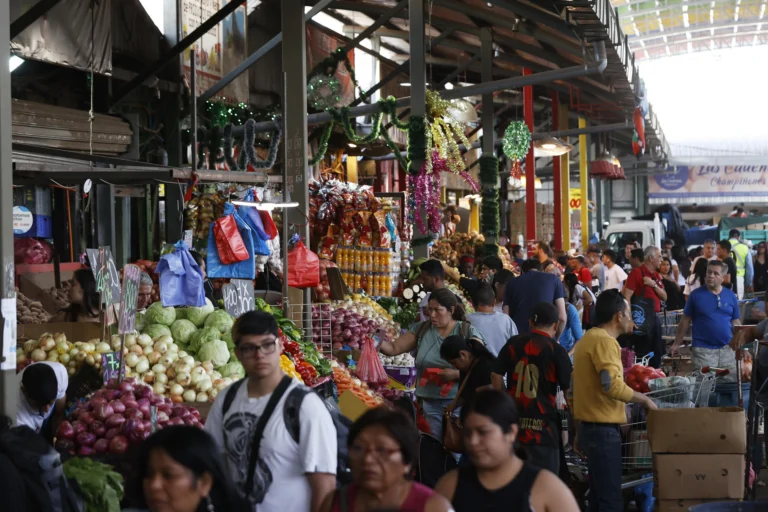
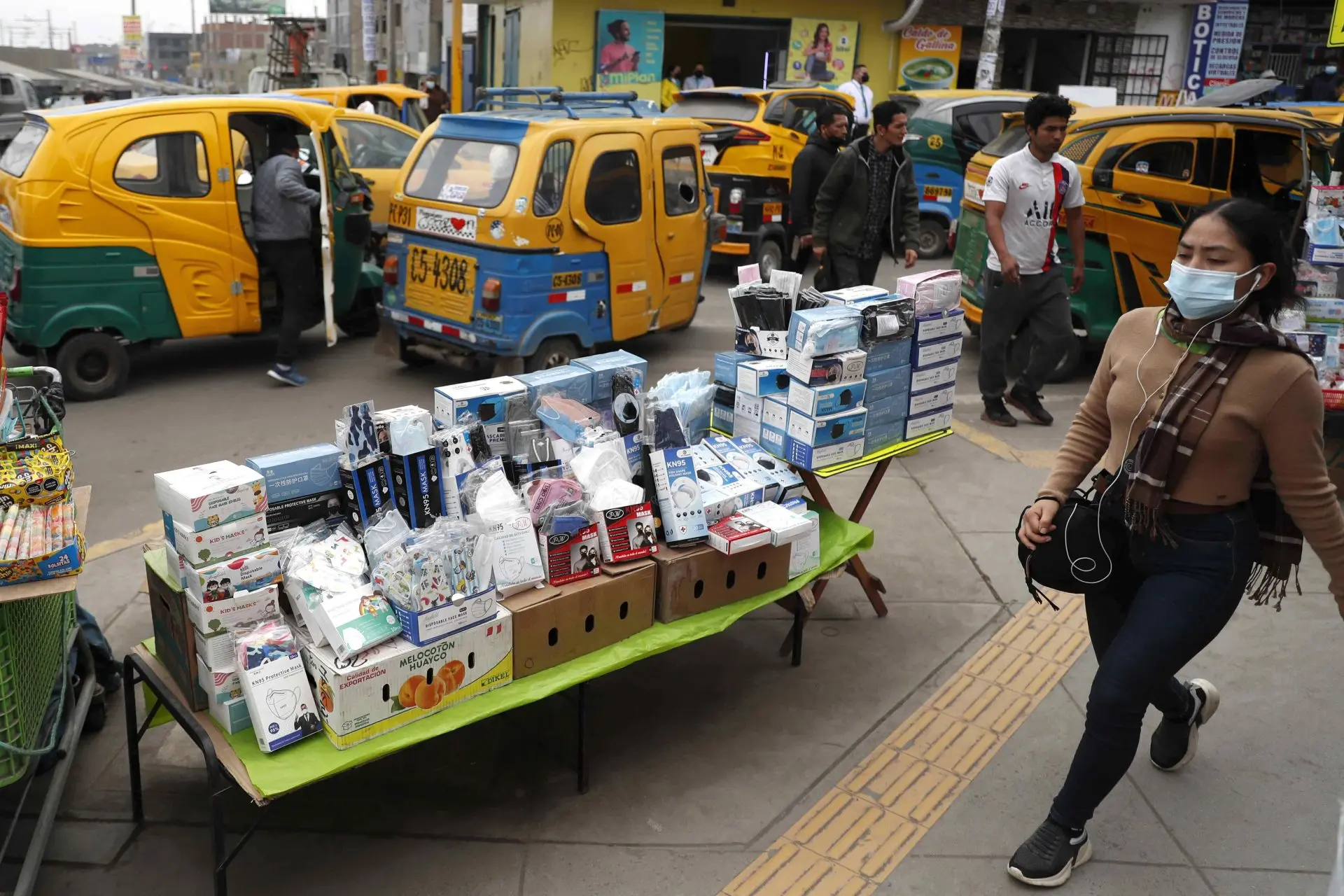
The gap between labor force growth and the Chilean market’s capacity to absorb it is generating increased unemployment and pushing thousands of workers into the informal economy. Photo: EFE.
December 30, 2025 Hour: 4:33 pm
🔗 Comparte este artículo
Chile’s National Institute of Statistics (INE) revealed that the country’s unemployment rate reached 8.4 percent during the September-November quarter of 2025. This 0.2 percentage point increase compared to the previous year reflects a structural imbalance, where the number of people entering the labor market is growing faster than the creation of genuine jobs.
According to the statistical bulletin, the labor force expanded by 1.5 percent, while new hires only reached 1.2 percent. This gap caused the total number of unemployed people to increase by 4.0 percent year-on-year, driven significantly by first-time job seekers, a segment that experienced a critical increase of 16.2 percent, highlighting the barriers to entry for new workers.
RELATED:
Javier Milei’s First Year: Economic Decline and Rising Unemployment in Argentina
The Chilean labor market shows a marked gender disparity during this period. While women saw a slight reduction in their unemployment rate because their employment grew faster than their labor force participation, men face an adverse outlook. For them, unemployment climbed to 8.8 percent, affected by a notable increase in both the unemployed and those unsuccessfully trying to enter the workforce.
At the sectoral level, the Chilean economy shows contradictory signs, with expansion driven primarily by administrative services and transportation. However, strategic areas for national development, such as manufacturing and public administration, registered significant declines, suggesting a weakening of the sectors that traditionally offer jobs with greater stability and social protection.
Another alarming factor is the persistence of precarious employment, as job growth has been sustained by informal wage earners and the self-employed. The informality rate stands at 26.6 percent, disproportionately affecting women, who have a rate of 28.4 percent, reflecting a vulnerable labor market structure lacking social security benefits.
In the Metropolitan Region, the country’s economic hub, the situation is even more complex, with unemployment climbing to 8.9 percent. Although sectors such as information and communications are showing dynamism, Chile’s productive structure is unable to absorb the demand from a population that takes to the streets in search of sustenance, in a context of stagnant productive investment.
Author: HGV
Source: Agencias